
09
2019
-
05
2018 International Tea Market Trends: The Death of Direct Trade?
Elyse Petersen is a global tea ambassador currently working with the International Tea Farms Alliance in Kyoto and Tsukigata, Japan. Her life and work in Japan have given her the opportunity to meet many tea growers, and she has been deeply influenced by their passion and love for tea. She is also the founder of Tealet, which aims to provide a platform for communication and sharing between tea lovers and growers worldwide. In 2016, she predicted that the biggest trend in the tea industry would be "transparency of product information." In 2017,
Elyse Petersen is a global tea ambassador currently working with the International Tea Farms Alliance in Kyoto and Tsukigata, Japan. Her work and life in Japan have allowed her to meet many tea growers, and she has been deeply influenced by their passion and love for tea. She is also the founder of Tealet, which aims to provide a platform for communication and sharing among tea lovers and growers worldwide.
In 2016, she predicted that the biggest trend in the tea industry would be "transparency of product information." At the end of 2017, she wrote an article about the sustainability of the tea industry and predicted that "sustainability" would be a major trend in the tea industry that year. The pursuit of transparency and sustainability has continuously driven the growth of direct trade, and by the end of 2017, almost all new tea companies had adopted the label of "direct trade." The concept of direct trade comes from the specialty coffee industry, but today, there are widespread issues of unclear definitions, vague standards, and market overuse in both industries.

According to an article published in the journal Sustainability titled "Problems with Firm-Led Voluntary Sustainability Schemes: The Case of Direct Trade Coffee," during 2015-2016, direct trade became a mainstream trend in the coffee industry, successfully driving improvements in coffee quality and awareness of coffee business ethics. However, due to the overuse by mainstream brands, the essence and value of direct trade have been diluted. As a result, the initiators of the direct trade model have begun to reduce the frequency of using the term "direct trade" and focus more on improving product information transparency.
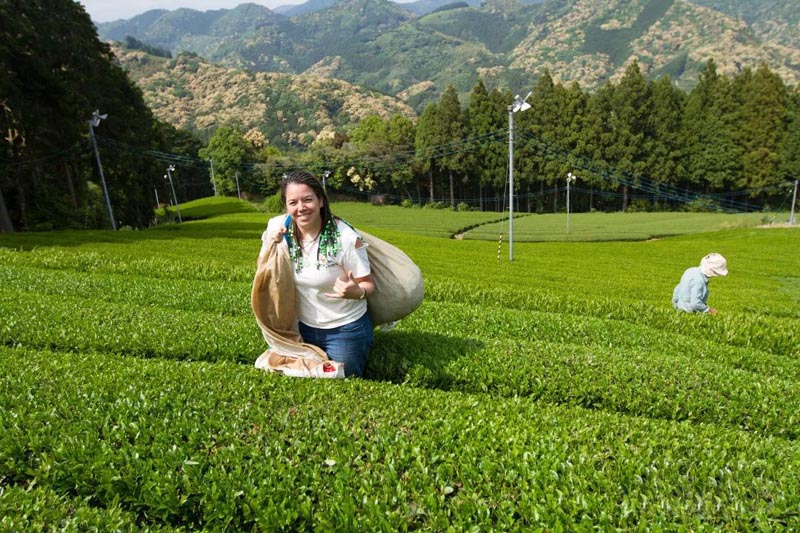
Her company had already adopted the definition of direct trade from the specialty coffee industry as early as 2013 and became one of the first tea companies to use the "direct trade" model. Within just one year, many other companies began to follow suit. By 2017, direct trade was almost ubiquitous in the tea industry. At a tea exhibition, she noticed an exhibitor had directly spray-painted the words "direct trade" on the backboard of their booth, but in reality, this exhibitor was a large-scale commodity tea trading company, and their products were mainly sold to supermarkets and large retail stores.
Although "direct trade" is widely used, its definition remains unclear to this day. Of course, those large commodity tea trading companies use this term to pursue greater profits and attract more customers. However, for other tea companies, using "direct trade" means they must ensure that the tea is 100% purchased directly from growers, which requires them to personally visit tea gardens, negotiate prices face-to-face with growers, and handle the import procedures for the tea themselves. In fact, many people, to avoid the aforementioned troubles, turn to intermediaries to purchase tea while still claiming that their tea comes from "direct trade"; meanwhile, many small-scale tea importers are paying high transportation costs and struggling with how to remit money to the producing areas, leading one to question: what exactly is direct trade?
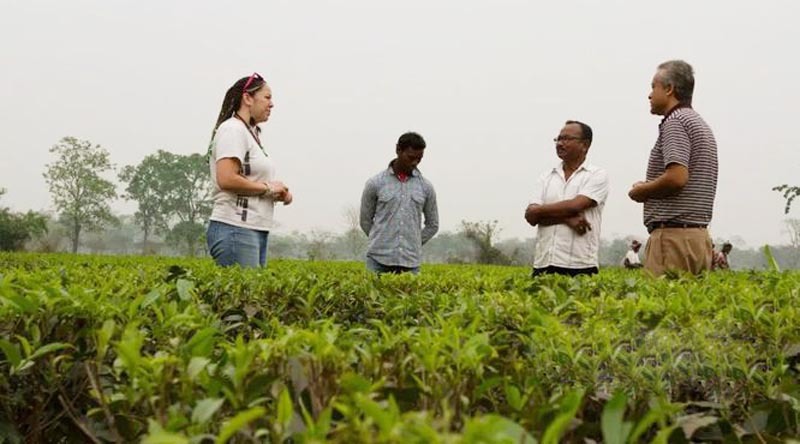
Direct trade is complex and inefficient. A recently published article shows that while the internet can help independent tea importers avoid many hassles and purchase tea directly from growers, in practice, this approach is not applicable in many producing areas. Therefore, they must take matters into their own hands, incurring high travel expenses and shipping costs, all for the sake of better controlling product quality. Thus, she believes that in 2018, more tea companies will realize that the essence and value of direct trade have begun to fade and will start to focus on improving tea quality and providing more product information to customers, rather than blindly pursuing the so-called "direct trade."
RELATED INFORMATION

10 Amazing Facts About Black Tea: Benefits, Brewing Tips & Premium Blends 2026
This expert guide to Black Tea is created by Guilin Lijiang Tea Factory Co., Ltd, a professional Chinese tea manufacturer with over 70 years of growing and processing experience. We cover core definitions, proven health benefits, step-by-step brewing, common myths, and frequently asked questions. All insights are based on 2026 industry data and hands-on factory practice.
Contact Us
Company address: Heping Street, Longji Town, Longsheng County, Guilin City
WeChat QR Code